
By Keith Colgan (N7DXC)
Amateur radio operators use of a wide variety of antenna types and radios. Some stations are extraordinary in terms of location, technology and the discretionary income of their owners. Most are very basic. All, unfortunately, share a common enemy … RFI.
By definition, radio frequency interference (RFI) is the presence of unwanted signals or electrical energy that detrimentally impacts radio communications. Sources of RFI include lightning, solar storms, power lines, microwave ovens, light fixtures, circuit breakers, power strips, wi-fi devices, and baby monitors. The effects of natural interference are usually temporary, but man-made sources can be a challenge to identify and correct.
David (WB6TOU) recently faced one of those challenges. For no apparent reason, otherwise strong signals on the HF bands were periodically swamped by a roar of S9+ noise. This understandably concerned David. But more importantly, it offended his radio friends who used to stop by unannounced to work DX from his location. With peer pressure at maximum, David set out to fix things.

First, he had to get some idea of where the interference was coming from. He had a small tunable loop antenna and SDR receiver to use as a direction finder. He pointed it carefully at every pole and suspicious house in the neighborhood, but nothing stood out. The noise seemed to come from all directions.
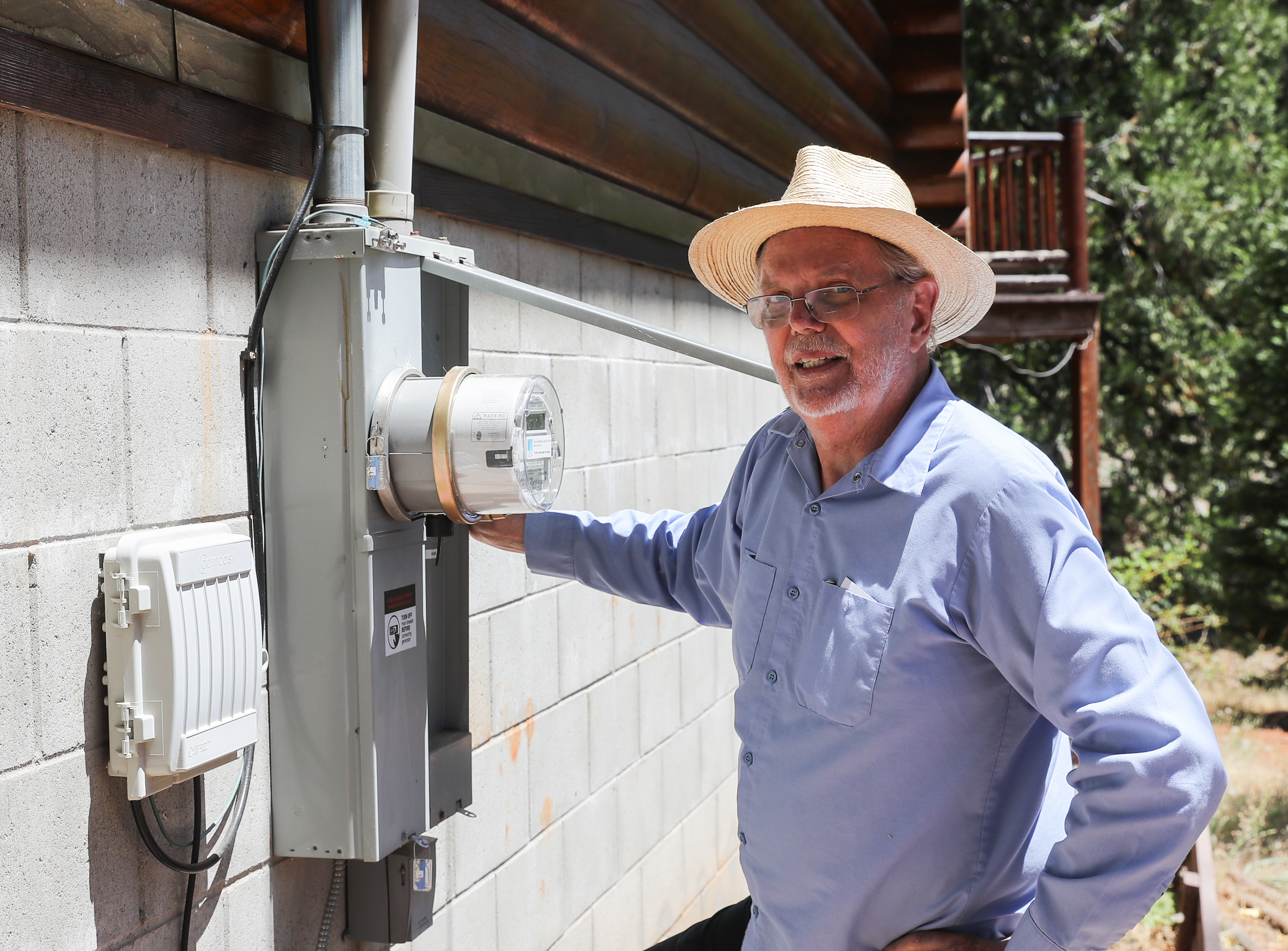
That’s when David decided a little introspection was in order. Maybe the unthinkable was true … maybe it was coming from within his own house. Maybe HE was the cause of the problem. So off to the mains he marched to cut all power. Clocks be damned, if this stopped the interference, he’d win the battle. With a selfless act of AMPutation, he pulled the handle and the beast was dead.
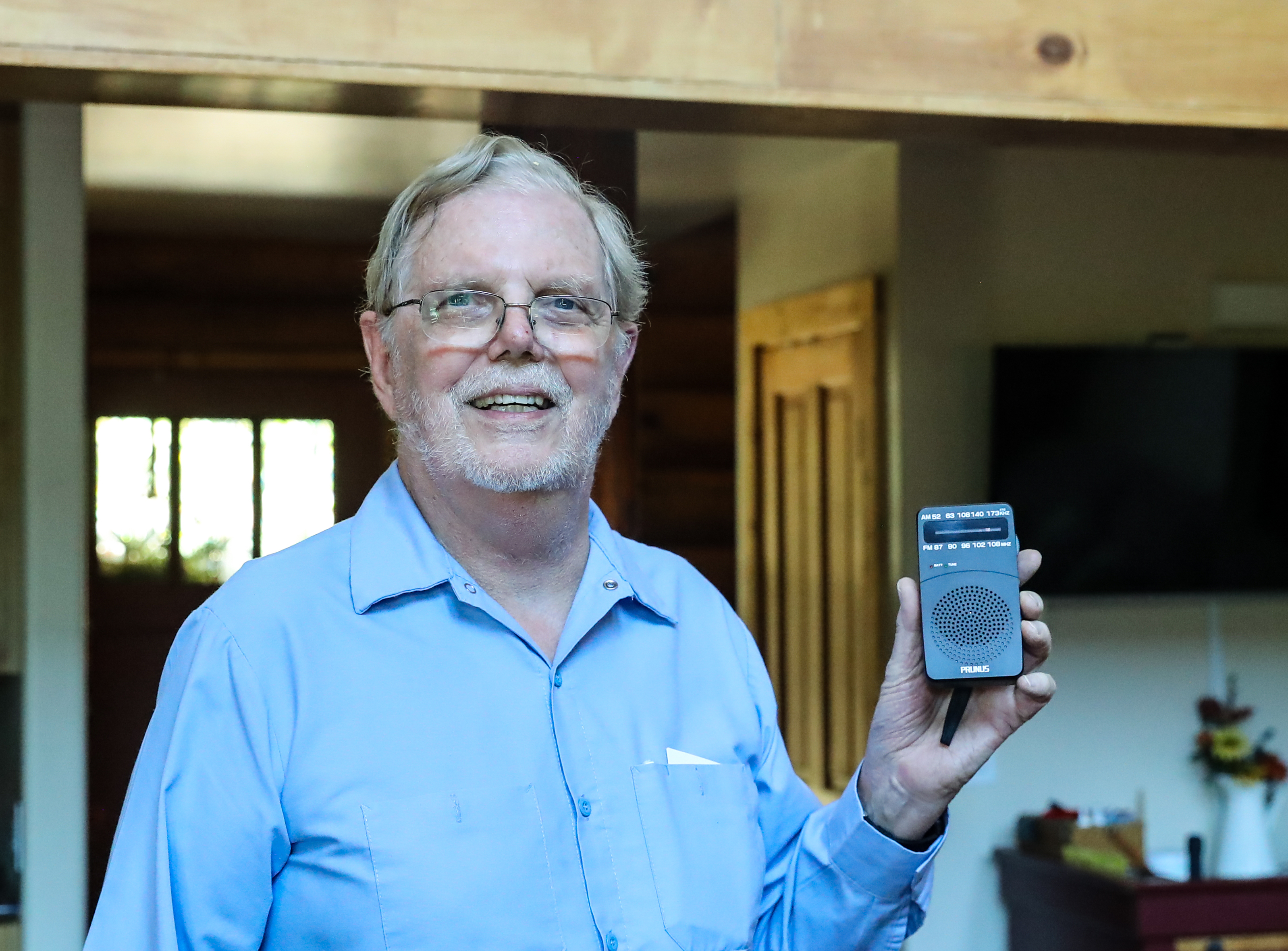
Well, almost. He still needed to find the exact source. For this purpose, David turned to a simple $9.00 transistor radio as a proximity detector. With mains power restored, the RFI was again loud and clear. Now he hunted carefully within the house, radio in hand, hoping to hear a sudden increase in amplitude as he approached the offending device.
Microwave … no! Refrigerator … no! LED lights … no! Ceiling fan … no!
What to do? Dave now reasoned that he could further isolate the cause by turning off power to sections of the house using the breaker box. A quick trip up stairs and a few switch throws killed the beast once again. Now he knew with certainty the problem was powered from somewhere within the circuit that served his front room.
Again, nothing! He could still hear it within that relatively small area, but nothing indicated he was any closer to isolating it. As frustration began to replace confidence, he saw it! An extension cord that led to a table on his back deck. On that table lay two solar panels attached to a 600 watt power inverter. As the transistor radio screamed “Target Found”, David pulled the plug, smiled, and proudly displayed his prized trophy.
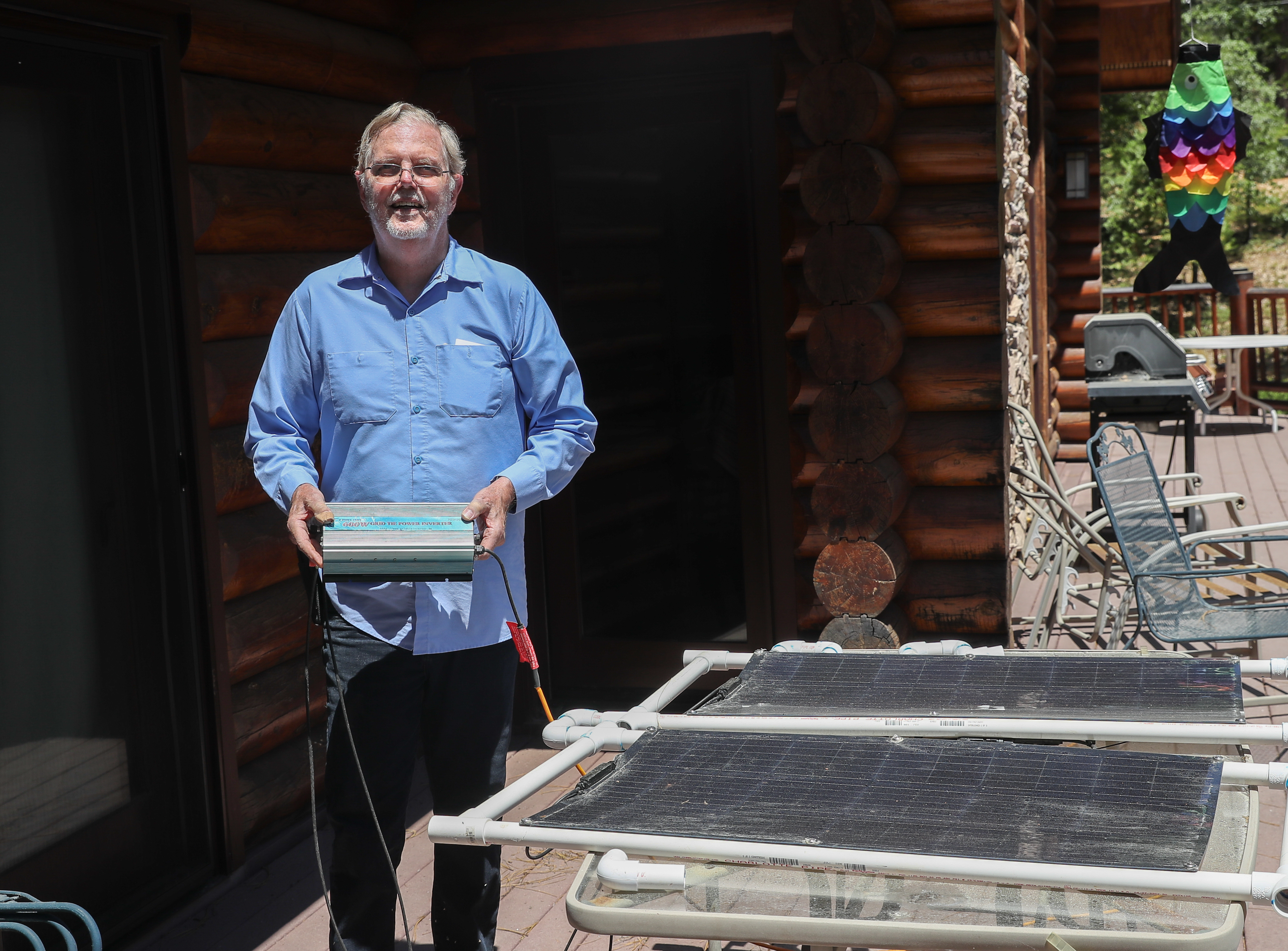
Happy days are here again. David’s receiver is quiet, DX is good and he intends to share the good news with his Ham buddies sometime later this year.
Discover more from Lodi Amateur Radio Club
Subscribe to get the latest posts sent to your email.

 Lodi Amateur Radio Club